

Hangzhou Water Bus: The Local's Guide to Riding the ¥3 Canal Boat for Foreign Travelers (Not the ¥80 Tourist Trap)
- DolphinUnion

- Jan 11
- 6 min read
Want to see the Grand Canal in Hangzhou? Most tourists book expensive sightseeing boats for 80 RMB. They miss the real local experience. Here's the secret: Hangzhou has a public water bus. It costs only 3 RMB.
Last year, my friend Sofia from Spain almost made this mistake. She paid 320 RMB for a family of four on a tourist boat. The ride was short and crowded. Later, she saw locals boarding a simple boat. "I asked and found the water bus," she said. "For 12 RMB total, we had a longer, more authentic ride. We felt like real Hangzhou residents."
This guide will show you exactly how to find and ride the Hangzhou Water Bus (水上巴士, Shuishang Bashi). I'll help you save money and see the city like a local.


Why the Water Bus is the Best Way to See the Canal
Unbeatable Price: ¥3 vs ¥80 How much does it really cost? The public water bus is 3 RMB per ride. Tourist boats charge 80 RMB or more. That's a huge difference.
Take my Canadian friend Liam for example. He loves finding local transport. He took Water Bus Line 1 from start to end. "The 3 RMB fare felt like a gift," he told me. "I saw the same historic bridges as the expensive boats. My wallet was happy."
Pro tip: Always choose Water Bus Line 1 (一号线). It's the main route on the Grand Canal. The other lines are for commuting, not sightseeing.

Authentic Local Experience What's the real atmosphere like? The water bus is used by locals every day. You'll see students, grandparents, and workers on board.
My Japanese friend Yuki took it on a Tuesday morning. "An old man smiled and pointed to the window," she shared. "He showed me a beautiful old building in Chinese. It was a moment I couldn't buy on a tourist boat."
For the best vibe: Ride between 10 AM and 3 PM on a weekday. It's less crowded. You can get a window seat easily. (Hangzhou water bus guide for tourists)

Understanding the Two Different Piers at Gongchen Bridge
The Common Mistake: Wrong Pier, Wrong Boat Where do you actually board? This is the biggest confusion. At Gongchen Bridge (拱宸桥, Gongchen Qiao), there are two piers very close together. They offer completely different experiences.
My German friend Klaus learned this the hard way. He wanted the 3 RMB bus. He walked across the famous stone bridge. He found a pier selling 30 RMB tickets. "I thought the price went up," he said. "I almost bought the expensive ticket. Then I saw the public bus pier on the other side."
Here's the simple rule: For the 3 RMB Water Bus, do NOT cross Gongchen Bridge. Stay on the museum side of the river. The pier is on your right along the bank.

Finding the Right Pier What does the correct pier look like? The Water Bus pier is simple. It has a blue and white sign. It says "水上巴士" in Chinese. There's usually a small waiting shelter.
My American friend Emily from California used this trick. "I looked for people with city transit cards," she said. "Locals don't buy tickets at a booth. They tap their cards. I followed them to the right pier."
Remember: The tourist boat pier is fancier. It has ticket counters and big signs in English. Avoid this one if you want the local price.

A Perfect Water Bus Line 1 Journey
From Wulinmen to Gongchen Bridge What's the best section for sightseeing? Start at Wulinmen Pier (武林门码头). End at Gongchenqiao Pier (拱宸桥码头). This covers the most scenic part.
My British friend Tom did this route. "At Wulinmen, you see the modern city," he described. "As you move north, the view changes. Old houses appear. Then you see the stone arch of Gongchen Bridge. It's like traveling back in time."
The ride takes about 30 minutes. Boats come every 20-30 minutes from 7:00 AM to 6:00 PM.
Key Stops and What to See Where should you get off? Each stop has its own charm. Don't just ride to the end.
Stop (Chinese / Pinyin) | Best For | Time to Explore |
信义坊 / Xinyifang | Local food street | 1-2 hours |
拱宸桥 / Gongchenqiao | Museums & history | 2-3 hours |
运河天地 / Yunhe Tiandi | Modern art & cafes | 1 hour |
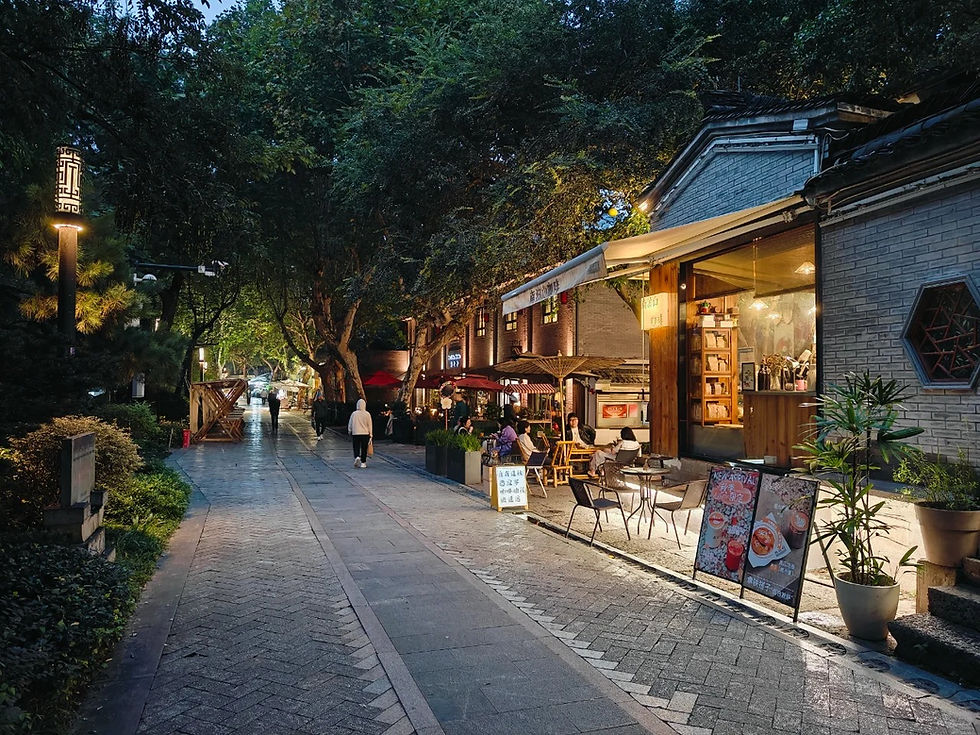
My French friend Chloé got off at Xinyifang. "The Dadao Road Historic Block (大兜路历史街区) is lovely," she said. "I ate lunch in a cafe by the canal. It was perfect."
Practical Tips for Foreign Riders
Payment: How to Pay Your 3 RMB How do you actually pay? The water bus accepts multiple payment methods. Cash is the easiest for tourists.
My Australian friend James used cash. "I gave the attendant a 5 RMB note," he said. "I got 2 RMB change. It was very simple."
Better method: Use Alipay. Scan the QR code on the boat. It's fast and you don't need exact change. Apple Pay doesn't work here.

Boarding Process and Etiquette What's the boarding like? It's similar to a city bus. Wait in line at the pier. Let people exit first. Then board quickly.
My Singaporean friend Arif noted this. "The boat only stops for a minute," he observed. "You need to be ready. Have your payment in hand. Move to the middle of the boat to make space."
Important: The boats are basic. Don't expect luxury seats or English announcements. That's part of the authentic charm.

Avoiding Crowds and Long Waits When is it too busy? Weekends and holidays can be crowded. The wait might be 40 minutes for the next boat.
My Italian friend Marco visited on a Saturday. "The line was long," he recalled. "Families with strollers filled the boat. We couldn't get good seats."
Best time: Weekday afternoons. Worst time: Saturday mornings and holiday afternoons.

Making the Most of Your Stop at Gongchen Bridge
The Must-Visit Museums What's near the Gongchen Bridge pier? Several excellent museums are within a 5-minute walk. And they're free!
My Dutch friend Ella loved this. "The China Umbrella Museum (中国伞博物馆) was beautiful," she said. "The China Fan Museum (中国扇博物馆) was next door. I spent two hours there and paid nothing."
Pro tip: Visit the Grand Canal Museum (京杭大运河博物馆) first. It gives you great background. Then see the smaller craft museums.
Local Food Finds Where do locals eat? Avoid the tourist restaurants right by the bridge. Walk 5 minutes into the historic blocks.
My Brazilian friend Carlos found a gem. "A small restaurant called 'Old Happy Teahouse' (老开心茶馆) served great snacks," he said. "The spring rolls were crispy. The tea was fresh. The bill was under 50 RMB for two."
Look for places filled with local Chinese customers. That's always a good sign.
Why This Beats Any Tourist Boat
I've ridden both many times. The tourist boats have recorded English commentary. But they're expensive and feel artificial. The water bus is real Hangzhou life.
My Swedish friend Sven compared both. "The tourist boat felt like a show," he wrote to me. "The water bus felt like I was part of the city. For the price of a coffee, I had one of my best Hangzhou experiences."
For help with other transport in Hangzhou, like private cars to remote tea villages, our team can assist.
Get a custom quote: https://www.dolphinunion.com/transportation-services-china
Want More Authentic Hangzhou Tips?
My detailed guide "Hangzhou Travel Guide – The Ultimate 96-Hour Lakeside & Heritage Itinerary" shows you how to:
Use the public ferry on West Lake for 6 RMB (not 70 RMB)
Find the hidden tea ceremony spots locals use
Navigate Wulin Night Market with a vendor map
Visit Lingyin Temple before the crowds arrive
Choose between Liangzhu Ancient City and Xixi Wetland
It includes exact pier locations, timing tips, and cultural notes you won't find in generic guides. It turns a simple trip into a deep local immersion.
Ready to ride like a Hangzhou local? Skip the overpriced tourist boats. Take the 3 RMB water bus instead. You'll see the real canal, meet real people, and keep your travel budget healthy. It's the smart traveler's choice.


Comments